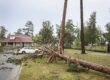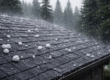

Spring 2026 has already been brutal for Twin Cities homeowners. In mid-April, a powerful storm system tore through Minnesota, spawning up to three possible tornadoes and dropping hail as large as three inches in diameter across parts of southern Minnesota and the metro area. If your home was in the path of those storms — or if you’ve simply been through a rough few weeks of severe weather — your roof may be carrying damage you haven’t seen yet. Getting a proper spring storm roof inspection in the Twin Cities is the first step to protecting your home before summer storms make things worse.
Why Spring Roof Damage Is Easy to Miss
Most homeowners scan the yard after a storm — checking for fallen branches, dented cars, or broken gutters. But roof damage from hail and wind often hides in plain sight. Asphalt shingles can absorb dozens of hail impacts without looking obviously broken from the street, yet the protective granule layer is already compromised. Wind can lift shingles, break the adhesive seal strips, or create micro-tears at the roof edges that won’t leak until a heavy rain soaks through. By the time you notice a stain on your ceiling, the damage has usually been there for months.
The April 2026 Storm System: What It Left Behind
According to the National Weather Service Minneapolis, the April 13, 2026 event was Minnesota’s first significant severe weather outbreak of the season. The system produced large hail — in some areas up to three inches in diameter — and possible tornado touchdowns in southern Minnesota. Communities across the southern metro and outstate Minnesota reported widespread property damage. Even if your neighborhood didn’t see the largest hailstones, smaller stones (3/4″ to 1.5″) are still large enough to damage asphalt shingles, metal flashing, and gutter systems.
Spring Storm Roof Inspection Checklist for Twin Cities Homeowners
You don’t need to climb on your roof to do a preliminary check. Here’s what to look for from the ground and around your home after this spring’s storms:
- Gutters and downspouts: Look for granule accumulation — it looks like dark sand or grit. This is the first sign that your shingles are shedding their protective layer after hail impact.
- Soft metals around the roof: Check your window screens, AC unit, garage door trim, and metal flashings. Hail leaves distinctive round dents on soft metals. If these surfaces are dented, your shingles almost certainly took impact too.
- Shingles from the ground: Use binoculars if needed. Look for dark circular spots (hail bruising), missing shingles, or curled and lifted edges from wind damage.
- Fascia and soffits: Damaged or cracked fascia boards are a common result of both hail and wind, and they’re easier to spot than shingle damage from the ground.
- Interior ceiling and attic: Water staining, wet insulation, or daylight visible in the attic all indicate penetration that needs immediate attention.
Why You Shouldn’t Wait to Schedule a Roof Inspection
Minnesota homeowners often make the mistake of waiting until there’s an obvious problem — a leak, a missing shingle, or a sagging ceiling — before calling a roofer. The problem is that insurance companies set strict filing windows after storm events, typically 12 to 24 months. But as coverage standards tighten, many insurers are scrutinizing claims more aggressively and may deny damage they deem “pre-existing” if you wait too long to document it. A professional inspection creates a dated record of storm damage that protects your right to file a successful insurance claim.
Metal Roofing: The Best Protection Against Future Storm Damage
If this spring’s inspection reveals that your asphalt shingle roof has taken significant damage, it may be worth considering an upgrade rather than a like-for-like replacement. Standing seam metal roofing systems — Northern Lights’ specialty — are rated to withstand winds up to 140 mph and are impact-resistant to Class 4 standards. Metal roofs don’t lose granules, don’t crack from freeze-thaw cycles, and carry lifespans of 40 to 70 years. Many insurance providers also offer premium discounts for impact-resistant roofing installations. Over a 20-year period, a metal roof frequently proves more economical than repeated asphalt replacements driven by Minnesota’s severe weather seasons.
Get a Free Roof Inspection After the Spring Storms
Northern Lights Metal Roofing provides free post-storm roof inspections for homeowners across the Twin Cities metro. Our team documents all damage thoroughly and works directly with your insurance company to ensure you receive what you’re entitled to. Don’t let spring damage become a summer leak — contact us today to schedule your free inspection.