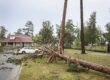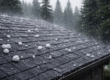

Just when Twin Cities cleanup crews were finishing work from previous storms, another round of severe weather hit on June 10, 2026. The system brought gusty winds, hail, and heavy rain — knocking out power to thousands of homes and leaving a trail of downed trees and debris across the metro. Minneapolis city crews described having their “backs against the wall” trying to clear damage before the next wave arrived. What many homeowners don’t realize is that storm damage roof repair in Minneapolis is most urgently needed in the days immediately following a storm event — not weeks later when hidden damage finally shows up as a water stain on your ceiling.
What the June 10 Storm System Did to Twin Cities Roofs
The June 10 storms moved through the metro with a damaging combination of wind and hail. For roofs, compound storm events like this are especially destructive. Wind from an earlier storm can loosen shingles and break the factory-applied seal strips, making them far more vulnerable to hail impacts and water intrusion that follow. A roof that survived one storm event may fail entirely under back-to-back stress. Minnesota’s 2026 storm season has been exceptionally active — with significant events in April, May, and now twice in June — and each successive storm hits a roofing system that has already been weakened by what came before.
Storm Damage Signs That Are Easy to Miss
After a storm like June 10, homeowners tend to notice the obvious — missing shingles, broken gutters, debris in the yard. But the most expensive damage is often what you can’t see from the street. Here’s what professional inspectors look for that most homeowners overlook:
- Granule loss in gutters: Hail strips the protective granule coating from asphalt shingles. Granules accumulate in gutters and at downspout exits after impact. A handful of dark grit is a clear signal your shingles need professional assessment.
- Lifted or re-sealed shingles: Wind can lift shingles without fully tearing them off. As temperatures rise, shingles sometimes re-seal — but the bond is compromised and they’ll lift again in the next storm, creating an opening for water.
- Damaged ridge cap: The ridge — the highest point of your roof — absorbs the full force of wind. Ridge cap damage is extremely common after high-wind events and allows water to enter at the roof’s most vulnerable seam.
- Pipe boot and flashing failures: Rubber pipe boots around vent pipes crack and curl under storm impact. Flashing around chimneys, skylights, and valleys can separate at the seam. Both cause active leaks that often go unnoticed for weeks.
- Attic moisture: Even minor storm intrusion creates humidity in the attic that promotes mold growth and degrades insulation. Checking your attic after every major storm is a habit that pays for itself many times over.
Why Back-to-Back Storms Make Inspections More Urgent
Each storm this season hits a roof that’s already absorbed the previous event. This compounding effect is one reason why professional storm damage roof repair in Minneapolis often reveals damage from multiple events layered on top of one another. Documenting each event separately — with dated inspection reports — is critical for maintaining your insurance coverage timeline. Insurers may attempt to attribute recent damage to an older, undocumented event if you can’t provide a clear record showing when each incident occurred.
Emergency Tarping and Temporary Repairs After the June 10 Storms
If the June 10 storm left visible damage — missing shingles, exposed decking, or debris punctures — temporary protective measures are essential before the next storm system arrives. A professional emergency tarp installation creates a watertight barrier while you wait for full repair or replacement scheduling. Avoid DIY tarping unless you have roofing experience: improper installation can trap moisture under the tarp, accelerating deck rot and complicating your insurance claim by adding secondary damage to the original loss.
The Best Long-Term Solution: Upgrade to Metal Roofing
For homeowners who have now weathered two, three, or four significant storm events in a single season, this is a good moment to ask whether asphalt shingles are the right long-term choice for a Minnesota home. Standing seam metal roofing systems are designed for exactly the conditions the Twin Cities has seen this year — high wind, large hail, rapid temperature swings, and repeated storm stress. Class 4 impact-rated metal panels carry industry-leading warranties, typically require no storm-related maintenance for decades, and often qualify homeowners for meaningful insurance premium discounts. Northern Lights specializes in metal roofing installations throughout the Twin Cities metro.
Schedule Your Free Inspection — Don’t Wait for the Next Storm
Northern Lights Metal Roofing offers free storm damage inspections across the Twin Cities metro. After the June 10 storms, our team is scheduling inspections quickly to ensure homeowners have proper documentation before the next wave of summer severe weather arrives. If you’re in Minneapolis, St. Paul, or the surrounding suburbs, contact us today to get on the schedule and protect your home from hidden damage turning into a costly emergency.