

Metal roofing comes in two basic families, and the choice between them shapes how your roof performs for the next 40 years. The standing seam vs exposed fastener question comes up on nearly every metal roofing estimate we write in Minnesota and Wisconsin. Both systems are steel, both shed snow, and both outlast asphalt. However, they differ in how the panels attach, how they handle our freeze-thaw cycles, and what they cost. Here is a plain-language comparison.
Standing seam vs exposed fastener: the basic difference
An exposed fastener roof uses corrugated or ribbed panels screwed straight through the metal into the decking or purlins. Each screw has a rubber washer that seals the hole. For example, you have probably seen these roofs on pole barns, cabins, and agricultural buildings.
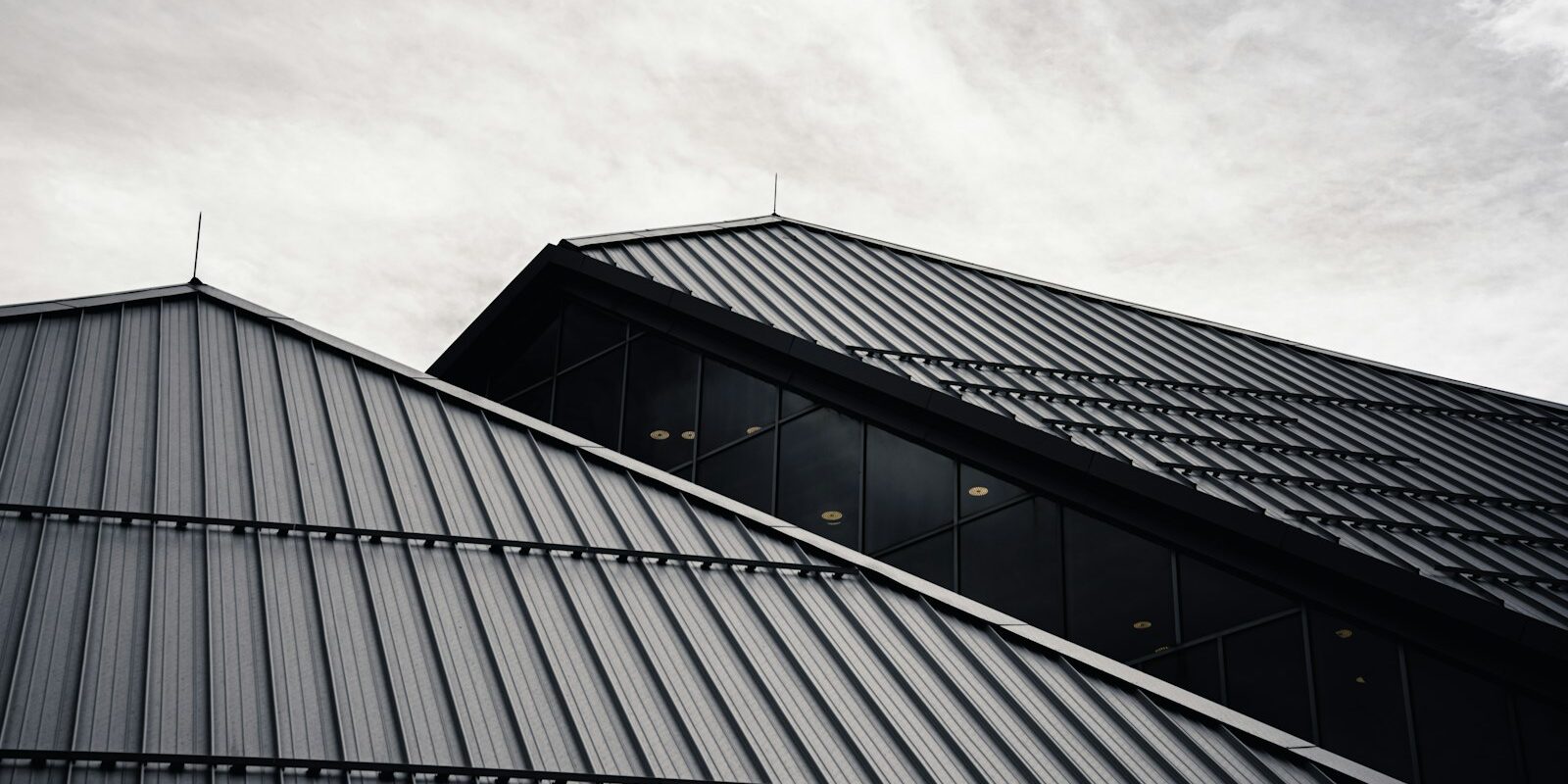
A standing seam roof hides every fastener. The panels have raised vertical seams that interlock, and concealed clips hold them to the deck. Because the clips allow movement, the panels can expand and contract without stressing a screw hole. There are no penetrations in the flat part of the panel at all.
How each system handles Minnesota and Wisconsin winters
Our climate is the real test. Steel expands in July heat and contracts in January cold, and a 40-foot panel can move a noticeable amount over a year. On an exposed fastener roof, that movement works against every screw. Over time, washers crack, holes elongate, and the roof develops hundreds of tiny leak points. In contrast, a standing seam roof is designed to float on its clips, so thermal movement never loads a fastener.
Snow, likewise, behaves differently. Smooth standing seam panels shed snow readily, which is why we recommend snow guards above entries. Exposed fastener panels shed snow as well, but ice can form around screw heads and work the washers loose.
Longevity and maintenance
- Exposed fastener roofs typically need the screws inspected and re-tightened or replaced every 10 to 15 years. Many owners never do it, and leaks follow.
- Standing seam roofs have no washers to fail. A properly installed system commonly lasts 50 years or more with little more than an occasional rinse.
- Both systems take a Kynar 500 or similar PVDF paint finish, which resists fading and chalking for decades.
Cost: what the price difference buys you
Exposed fastener panels cost less per square foot in both materials and labor, because the panels are simpler and the installation is faster. Standing seam runs higher, typically a meaningful premium over exposed fastener, due to the panel forming, clip system, and skilled seaming required. That said, the premium buys a roof without maintenance obligations and with a much longer expected life. Over 40 years, standing seam is usually the cheaper roof.
Standing seam vs exposed fastener for hail and wind
First of all, both systems resist hail far better than asphalt shingles. Thick-gauge steel does not crack, and cosmetic dents rarely affect performance. Wind, however, is where the systems separate. Interlocking seams give standing seam panels exceptional uplift resistance, which is why they are the default choice on exposed sites and lake homes. Exposed fastener roofs rely on screw count and spacing, so a few loose fasteners can turn into a lifted panel during a severe storm.
Which one should you choose?
For a primary residence, we recommend standing seam almost every time. The clean lines, hidden fasteners, and maintenance-free performance justify the cost on a home you plan to keep. For a detached garage, workshop, lean-to, or outbuilding, an exposed fastener roof is a sensible, budget-friendly option, especially if you are comfortable with periodic screw checks.
Insurance can also tip the scale. Some carriers offer discounts for metal roofs with a Class 4 impact rating, and many standing seam systems carry that rating. So ask your agent before you decide.
Our approach to standing seam vs exposed fastener installations
Northern Lights Metal Roofing installs both systems across Minnesota and western Wisconsin, from the Twin Cities and St. Cloud to Eau Claire and Hudson. We form standing seam panels on site to the exact length of your roof, which eliminates end laps and the leaks that come with them. For a deeper look at profiles, colors, and warranties, visit our metal roofing page. The Metal Construction Association also publishes a helpful overview of panel types at metalconstruction.org.
Ready to compare quotes? Contact us for a free inspection and a written estimate for both systems. Call (763) 276-1390 in Minnesota or (715) 501-7663 in Wisconsin, or browse recent projects in our portfolio.