

Every summer hailstorm brings two things to the Upper Midwest: damaged roofs and out-of-state trucks. Storm chaser roofers follow the weather from state to state, set up for a few months, and leave before the warranty calls start. This year gave them plenty to chase. The June 19 hail in the Twin Cities, the July storms in central Minnesota, and the September 1-2 line of storms that prompted golf-ball hail warnings near Trempealeau in west-central Wisconsin all put homeowners on their radar. Here is how to spot them, and what Minnesota and Wisconsin law says about the tactics they use.
What storm chaser roofers actually do
The business model is simple. After a storm, canvassers go door to door offering a free inspection. Then they find damage, sometimes real and sometimes not, and push the homeowner to sign a contract on the spot, often before an insurance adjuster has even visited. The work is subcontracted to whichever crew is available. Finally, the company moves on to the next storm, and the phone number on your paperwork stops ringing.
Not every roofer who knocks on a door is a scammer. However, the warning signs below show up again and again.
Seven warning signs of storm chaser roofers
- Out-of-state license plates and no permanent local address, or an address that turns out to be a mailbox.
- Pressure to sign today, usually framed as a limited-time price or a claim deadline that does not exist.
- An offer to pay, waive, or rebate your insurance deductible.
- A contract that assigns your insurance claim to the contractor, or gives them power to negotiate directly with your carrier.
- No Minnesota or Wisconsin contractor license number on the paperwork.
- Vague scope of work with no material brands, no line items, and no written warranty.
- A request for a large cash deposit before any materials are delivered.
The deductible offer is illegal in both states
The most common hook is also the clearest red flag. In Minnesota, a residential contractor may not advertise or promise to pay or rebate any portion of an insurance deductible. Wisconsin has a similar prohibition on the books. A contractor who offers this is either planning to inflate the claim to cover it, which is insurance fraud, or planning to cut corners on your roof. Either way, you are the one who carries the risk.
Both states also give homeowners a way out of a storm-repair contract if the insurer denies the claim. Minnesota allows cancellation within 72 hours of that denial notice, and Wisconsin provides a comparable window. Any legitimate storm contractor will have that language printed in the agreement.
How to check a roofer before you sign
Verification takes about ten minutes. First, look up the license. Minnesota residential building contractors are licensed through the Department of Labor and Industry, and the dli.mn.gov license lookup shows status and complaint history. Wisconsin dwelling contractors hold credentials through the Department of Safety and Professional Services. Second, search the company name with your city and the word reviews. A contractor with years of local reviews is not a storm chaser.
Third, ask for the manufacturer certification. We install GAF products as a GAF Master Elite® Residential Contractor, a designation that requires a verified track record, proper licensing, and ongoing training. Chasers rarely qualify. Finally, ask who will be on your roof. A company that hires a different crew for every job cannot promise consistent work.
Why storm chaser roofers cost more in the end
The price on the contract is only part of the story. Improper installation voids most manufacturer warranties, and a roof that leaks in year three has no one to call. Moreover, if the contractor pulled no permit, your city may require the work to be redone. We have replaced more than a few two-year-old roofs for exactly these reasons.
What a legitimate storm inspection looks like
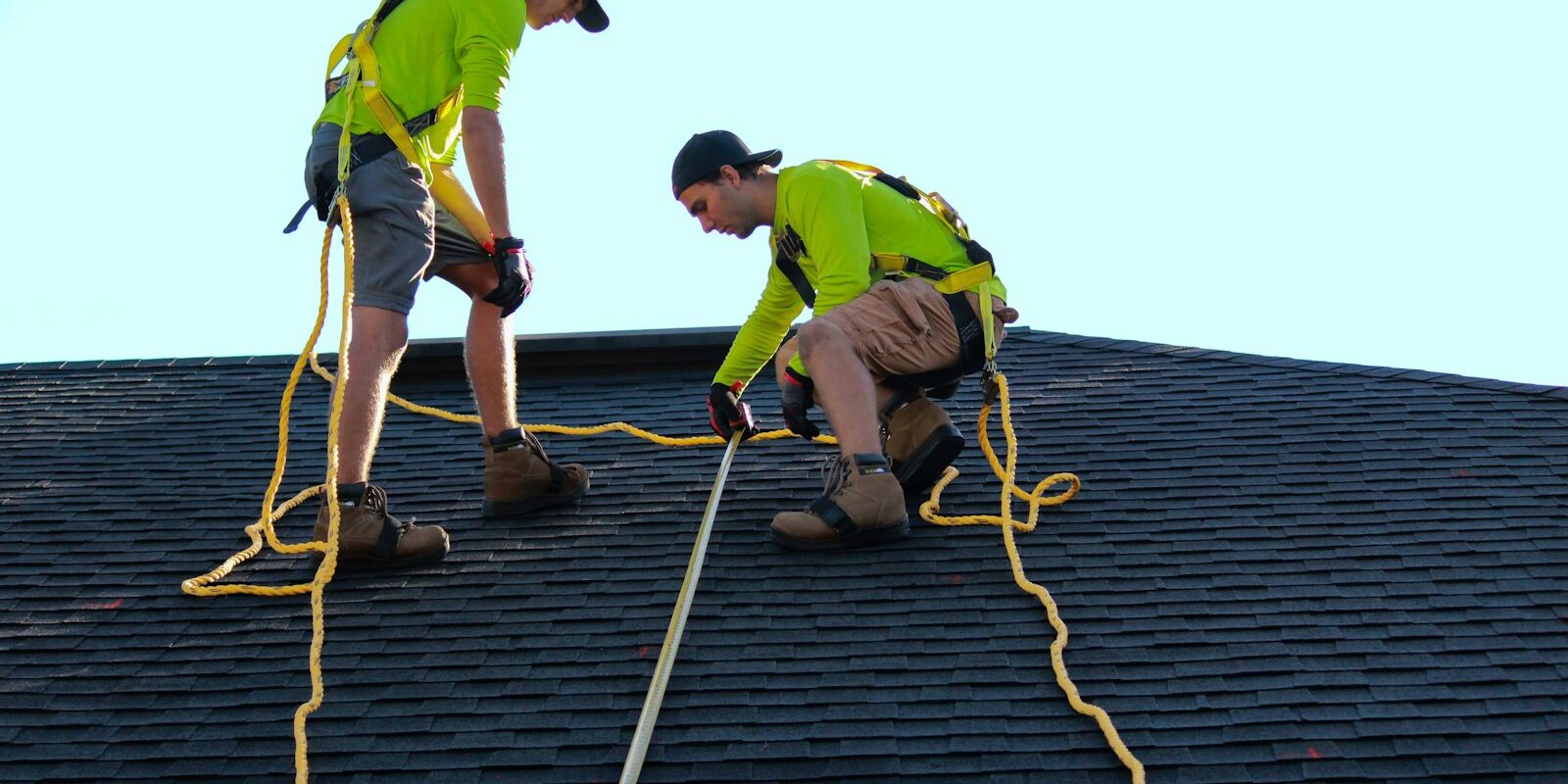
A real inspection documents everything. Our team photographs every slope, marks test squares, and checks gutters, siding, soft metals, and windows, because hail rarely hits only the roof. You receive a written report before anyone mentions a contract. If you decide to file a claim, we meet the adjuster on site. Our storm damage restoration page explains each step.
Earlier this summer we wrote about the 34% jump in Minnesota homeowners insurance. Fraudulent and padded claims are part of the reason premiums climb, which is one more argument for working with an established local contractor.
Talk to a local roofer first
Northern Lights Metal Roofing has operated from Ramsey, Minnesota for years and serves western Wisconsin from Eau Claire to Hudson. Our crews are employees, our address is on every page of this site, and our phone numbers will still work next year. Before you sign anything with a roofer who knocked on your door, contact us for a free second opinion: (763) 276-1390 in Minnesota, (715) 501-7663 in Wisconsin.