

Most homeowners blame ice dams on the weather. In reality, the weather only provides the snow. The dam itself forms because heat escaping from the house melts that snow from underneath, and the meltwater refreezes at the cold eaves. That makes attic ventilation and ice dams a single problem with a single cause. Fix the airflow and insulation in October, and you prevent the leak in February. Here is how the two connect and what to check before the first snow.
How attic ventilation and ice dams are connected
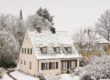
Picture a roof after a 6-inch snowfall. If the attic below it stays close to the outdoor temperature, the snow sits there harmlessly until it melts in the sun. However, if warm air from the living space leaks into the attic, the underside of the roof deck warms up. Snow over the heated area melts, runs down the slope as water, and reaches the eave, which overhangs the house and stays cold. There, it refreezes. Each cycle adds another layer, and soon a ridge of ice holds a pool of water against the shingles.
Shingles shed water that runs downhill. They do not resist water that sits and backs up. Therefore, the pool works under the shingles, through the nail holes, and into the ceiling below.
The three things every cold-climate attic needs
- An air seal between the house and the attic, so heated air cannot escape through can lights, bath fans, plumbing chases, and the attic hatch.
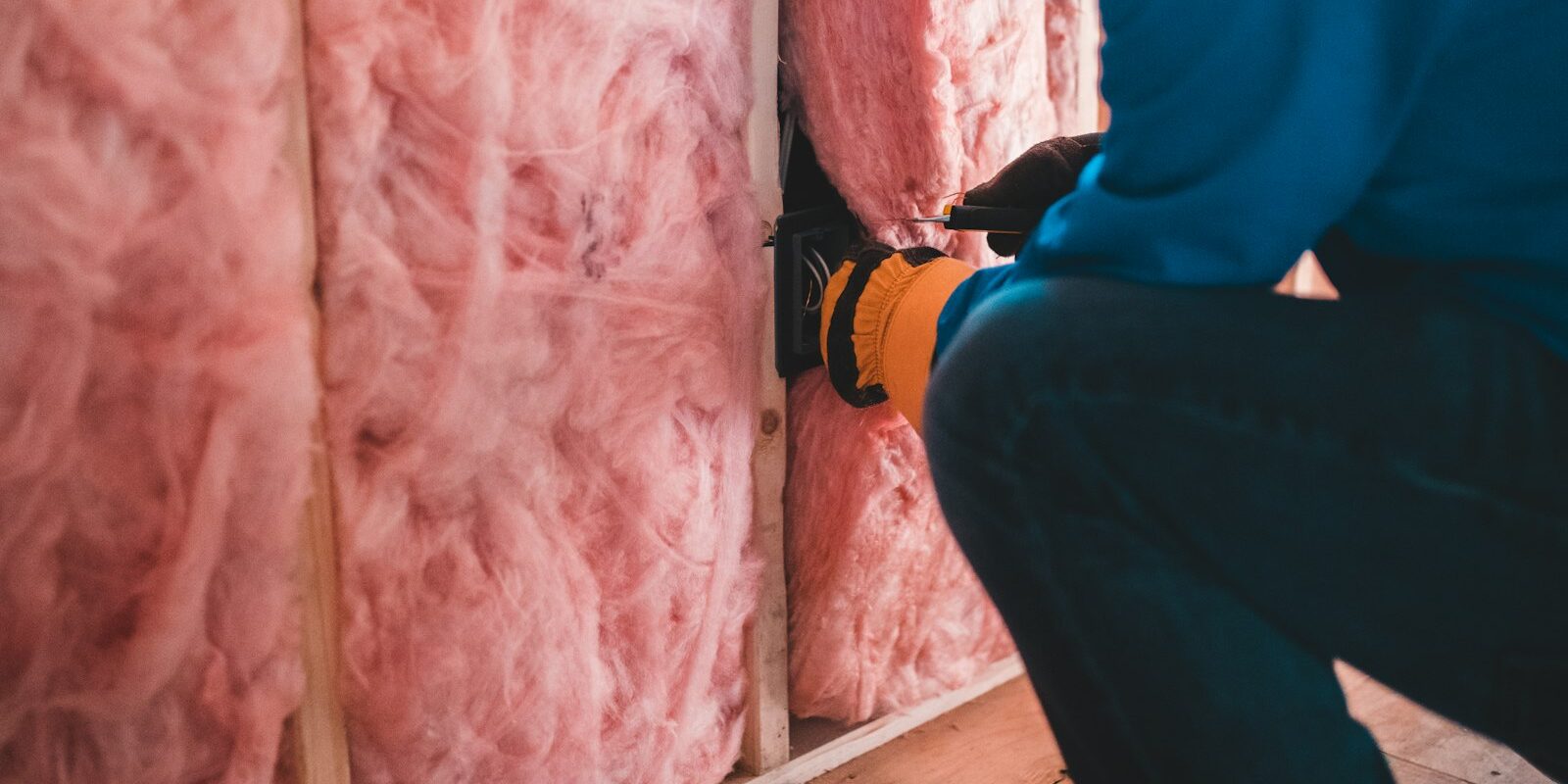
- Enough insulation to keep the attic floor cold. Current guidance for our region calls for roughly R-49 to R-60, which is 16 to 20 inches of blown insulation.
- Balanced ventilation, with intake at the soffits and exhaust at the ridge, so outdoor air sweeps continuously under the deck.
Insulation without ventilation traps moisture. Ventilation without an air seal just pulls more heated air out of the house. The three work together, and the U.S. Department of Energy publishes regional insulation targets that are worth a look.
Signs your attic ventilation is causing ice dams
- Icicles longer than a foot along the eaves, especially above heated rooms.
- Snow melts off your roof days before it melts off the neighbor’s.
- Bare streaks in the snow over the attic hatch or a bathroom.
- Frost on the underside of the roof sheathing in January.
- Water stains on ceilings near exterior walls that appear only in late winter.
Why soffit vents fail quietly
Ridge vents get the attention, but soffit intake is where most systems fail. Blown insulation drifts over the vents and blocks them. Painters seal them shut. Older homes never had them at all. Without intake, a ridge vent simply pulls air from the house through every gap in the ceiling, which makes the problem worse. During a fascia and soffit replacement, we install continuous vented soffit panels and add baffles so insulation can never block them again.
Attic ventilation and ice dams on metal roofs
A standing seam metal roof changes the equation in your favor. Metal sheds snow quickly, so less snow sits on the roof to melt in the first place. In addition, the interlocking seams give water far fewer places to enter if a small dam does form. Nevertheless, a poorly ventilated attic will still produce icicles and meltwater, so we treat ventilation as part of every metal roofing project.
What to do in October
This is the month to act, because the work happens from inside the attic and from the roof, and both need dry, snow-free conditions. Start with a flashlight: look for daylight at the soffits, measure insulation depth with a ruler, and note any insulation piled against the eaves. Next, seal the attic hatch with weatherstripping and insulate the back of it. Finally, have a roofer check the ridge vent, confirm bath fans exhaust outside rather than into the attic, and verify the soffit vents are open.
If you had ice dams last winter, do not rely on heat cables alone. They melt a channel through the ice, but they do nothing about the heat loss that built it. Our fall roof maintenance checklist walks through the rest of the pre-winter inspection.
Fix attic ventilation and ice dams before the first snow
Northern Lights Metal Roofing inspects attic ventilation as part of every roof estimate across Minnesota and western Wisconsin, from Ramsey and St. Cloud to Eau Claire and Chippewa Falls. If last winter left stains on your ceiling, contact us for a free inspection. Call (763) 276-1390 in Minnesota or (715) 501-7663 in Wisconsin.