

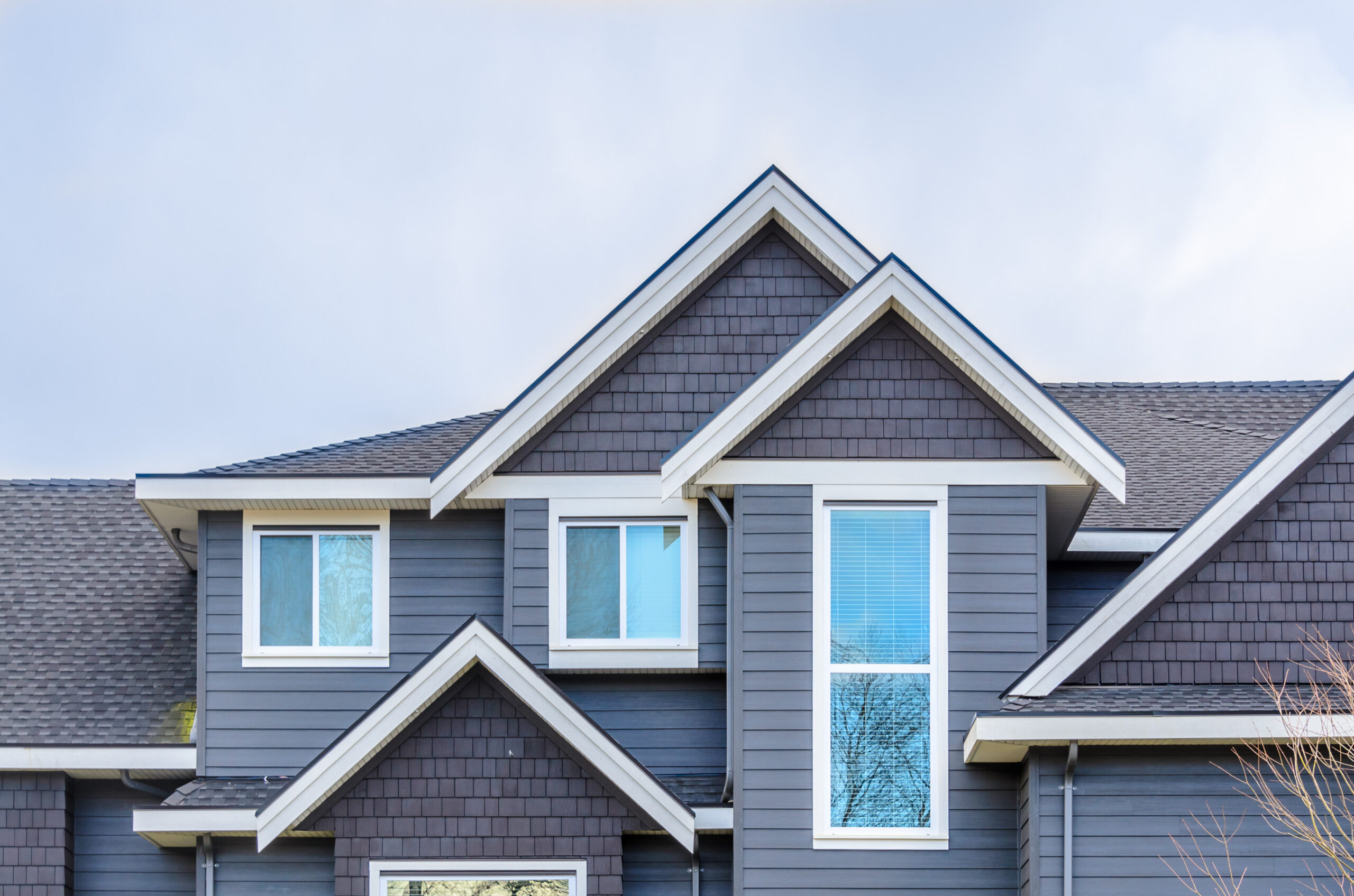
We install replacement windows across Minnesota and Wisconsin, both as standalone upgrades and as part of storm restoration claims. Hail cracks glass and dents wraps, and wind-driven rain finds tired seals. So windows belong in the same conversation as the roof far more often than homeowners expect.
When Replacement Windows Make Sense
A few signs are hard to argue with. Condensation between the panes means the seal has failed and the insulating gas is gone. Drafts you can feel with a hand in January mean the frame or the install has given up. In addition, if a window sticks, will not lock, or has visible rot at the sill, the repair usually costs more than it returns.
What a New Unit Does for a Northern Home
- Lower heating bills, because windows are the weakest thermal point in most walls
- Double or triple glazing with low-emissivity coatings and argon fill
- Warm-edge spacers that cut condensation at the glass edge
- Real weatherstripping instead of hardened forty-year-old vinyl
- Quieter rooms, which matters near highways and flight paths
- Less UV fading on floors and furniture
Full-Frame or Insert Replacement Windows
There are two ways to do this. An insert fits a new unit inside the existing frame, which is faster and cheaper but keeps whatever is behind that frame. Full-frame replacement removes everything down to the rough opening. Therefore, if there is rot, water staining, or you are already doing siding, full-frame is the honest answer. We will tell you which one your opening actually needs.
Glass and Wraps in a Storm Claim
Adjusters often scope the roof and stop. However, hail that dents an air conditioner fin also dents window wraps and can crack glass or damage screens. Because it hit in the same event, it belongs in the same claim. We document all of it during our storm damage restoration inspection.
Replacement Windows Across Minnesota and Wisconsin
We install throughout our Minnesota and Wisconsin service areas, licensed and insured in both states, with manufacturer and workmanship warranties on every unit. For independent efficiency guidance, the Department of Energy explains what the ratings mean. Call (763) 276 – 1390 in Minnesota or (715) 501 – 7663 in Wisconsin.