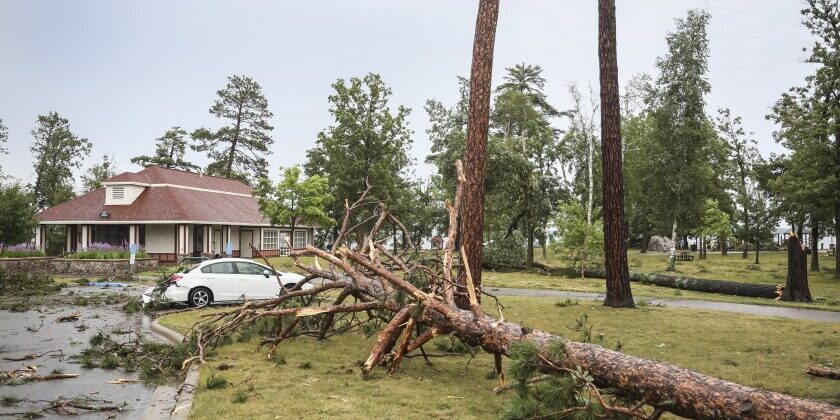
Wind damage to Minnesota roofs is one of the most common — and most overlooked — consequences of severe weather in the region. While hail often gets the headlines, high winds can be equally destructive, stripping shingles, lifting roof edges, and creating vulnerabilities that lead to costly leaks and structural damage. Whether you’re dealing with the aftermath of a spring thunderstorm or a fall windstorm, knowing how to identify and respond to wind damage to your Minnesota roof can save you thousands of dollars in repairs. According to the National Weather Service, sustained winds of just 45–55 mph are enough to cause significant damage to residential roofing systems.
How Wind Damages Minnesota Roofs
Wind doesn’t need to reach tornado strength to damage your roof. In Minnesota, damaging wind events occur throughout the year — from severe thunderstorm downbursts in summer to powerful Arctic cold fronts in winter. Here’s how wind causes problems for Minnesota roofs:
- Shingle lifting and blow-off — High winds get under shingle edges, breaking the seal strip adhesive and lifting or removing shingles entirely.
- Flashing damage — Wind can peel back or loosen metal flashing around chimneys, vents, and skylights, creating direct entry points for water.
- Soffit and fascia damage — Strong gusts frequently tear away soffit panels and bend or dent fascia boards, compromising the roof’s edge seal.
- Debris impact — Branches, lawn furniture, and other windblown objects can crack, puncture, or gouge roofing materials on impact.
- Granule loss — Wind-driven rain accelerates granule loss from asphalt shingles, shortening their effective lifespan.
Signs of Wind Damage on Your Minnesota Roof
Wind damage to a Minnesota roof isn’t always visible from the ground. After any significant storm event, look for these warning signs:
- Missing or curling shingles — One of the most obvious indicators of wind damage. Even a few missing shingles leave the underlayment and decking exposed to the elements.
- Exposed or damaged flashing — Check around chimneys, roof vents, and valleys for bent, lifted, or separated flashing.
- Damaged gutters — Bent gutters or downspouts pulled away from the fascia are a common result of high winds and debris impact.
- Interior leaks or water stains — Ceiling discoloration, damp insulation, or attic moisture after a windstorm indicate compromised roof integrity.
- Debris on the roof — Tree branches, leaves, and other material left on the roof after a storm can trap moisture and cause rot over time.
What to Do After Wind Damage to Your Minnesota Roof
If your Minnesota roof has sustained wind damage, taking prompt action can prevent minor issues from becoming major problems:
- Stay safe — Never climb onto your roof immediately after a storm. Wait for clear conditions and assess from the ground first.
- Document everything — Photograph your roof, gutters, siding, and any interior damage before making any temporary repairs. This documentation is critical for your insurance claim.
- Apply temporary protection if needed — If large sections of roofing are missing or exposed, a licensed contractor can apply a tarp to protect the structure until permanent repairs can be made.
- Schedule a professional inspection — Contact a trusted local Minnesota roofing contractor to assess the full extent of the wind damage.
- Contact your insurance company — File a wind damage claim with your homeowner’s insurance provider promptly. Most policies cover wind damage, but claim deadlines apply.
Filing an Insurance Claim for Wind Damage to Your Minnesota Roof
Most homeowner’s insurance policies in Minnesota cover wind damage as a standard peril. When filing a claim, having a roofing professional present during the insurance adjuster’s inspection is strongly recommended. At Northern Lights Metal Roofing, we work alongside homeowners throughout Wright County and Sherburne County to ensure that all wind damage to their Minnesota roofs is properly documented and included in the claim.
Be aware that insurance companies may depreciate your payout based on the age of your existing roof. Understanding your policy’s actual cash value vs. replacement cost value provisions before filing can help you prepare for the outcome.
Repair vs. Replacement After Wind Damage to Your Minnesota Roof
The right response to wind damage on a Minnesota roof depends on several factors:
- Localized vs. widespread damage — If only a few shingles are missing from one area, targeted repair may be sufficient. Widespread shingle loss or structural damage typically requires full replacement.
- Age of the roof — A roof approaching the end of its expected lifespan (15–20 years for asphalt shingles) is often better replaced than repaired, especially when insurance is covering the cost.
- Roofing material — Metal roofing systems withstand wind speeds significantly better than asphalt shingles, making them an excellent long-term investment for Minnesota homeowners who experience frequent wind events.
Why Work With a Local Minnesota Roofer for Wind Damage Repairs
When wind damage strikes your Minnesota roof, choosing a local roofing contractor with regional experience makes a significant difference. Northern Lights Metal Roofing has deep roots in the communities we serve — from Elk River and Monticello to Rogers and beyond. We understand the specific wind exposure risks in central Minnesota and the best materials and techniques for lasting protection.
We’ve helped homeowners recover from wind and hail damage in Elk River and storm damage in Monticello. If your home has been affected by a recent windstorm, don’t wait — wind damage to a Minnesota roof worsens quickly when left unaddressed. Contact Northern Lights Metal Roofing today for a free, no-obligation inspection.